
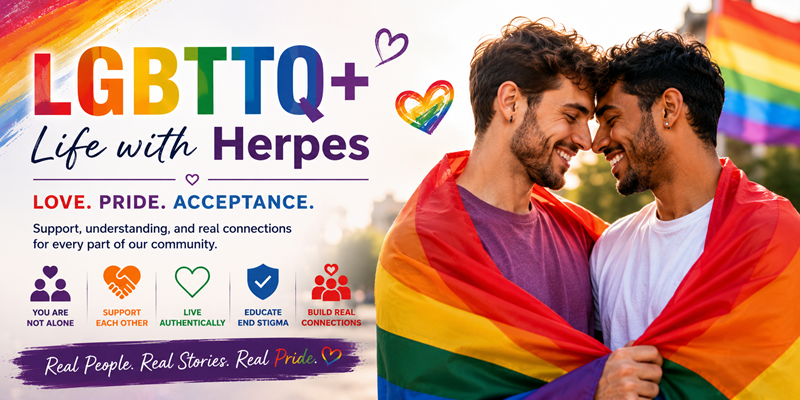
A herpes diagnosis can bring uncertainty, especially for LGBTQ+ individuals who may already have experience overcoming social stigma and misconceptions. The fear of rejection, concerns about disclosure, and questions about future relationships are common reactions. However, across the LGBTQ+ community, the conversation around herpes is changing. More people are choosing openness over silence, education over misinformation, and confidence over shame.
As awareness grows, individuals are discovering that herpes does not define their identity or limit their ability to build healthy, meaningful relationships. Today, access to LGBTQ Herpes Support has made it easier than ever to connect with people who understand the emotional and practical challenges of living with HSV. Communities centered on empathy and education are helping thousands.
Understanding Life After a Herpes Diagnosis
Learning that you have herpes can feel overwhelming at first, but those emotions often become easier to manage with accurate information and support. Medical professionals continue to emphasize that herpes is one of the most common viral infections worldwide, affecting millions of people from every background and identity.
For many LGBTQ+ individuals, the diagnosis becomes an opportunity to prioritize self-care, strengthen communication skills, and build healthier relationships. Rather than allowing stigma to control their future, they begin focusing on personal growth, emotional wellness, and genuine human connection.
Accepting the diagnosis is not about giving up hope. It is about recognizing that herpes is a manageable health condition rather than a measure of someone’s worth or ability to experience love.
The Importance of LGBTQ Herpes Support
No one should have to face a diagnosis alone. Strong LGBTQ Herpes Support networks provide emotional encouragement while also offering reliable health information. Whether through online communities, LGBTQ+ wellness organizations, or local peer groups, connecting with others who understand the experience can dramatically reduce feelings of isolation.
Supportive communities create safe environments where people can discuss disclosure, relationships, treatment options, mental health, and everyday experiences without fear of judgment. Simply knowing that others have successfully navigated similar situations often provides reassurance during difficult moments.
Feeling heard and understood is an important part of emotional healing.
Building Positive LGBTQ Relationships Through Honesty
Healthy relationships begin with trust, communication, and mutual respect. These qualities become even more meaningful after a herpes diagnosis. Many people discover that honest conversations strengthen emotional intimacy rather than weaken it.
Strong Positive LGBTQ Relationships are built on openness from the beginning. Discussing sexual health responsibly allows both partners to make informed decisions together while creating deeper trust.
People who approach these conversations with confidence often find that kindness, compatibility, shared values, and emotional connection matter far more than a medical condition.
Herpes becomes one topic within a much larger relationship rather than its defining feature.
Finding Confidence Within the Herpes Dating Community
Dating after a diagnosis can feel intimidating, but confidence grows with experience and support. A welcoming Herpes Dating Community allows people to meet others who understand the realities of living with HSV, removing much of the anxiety surrounding disclosure.
These communities encourage members to focus on meaningful conversations, shared interests, long-term compatibility, and emotional connection. Instead of worrying about judgment, individuals can enjoy getting to know one another.
Many lasting friendships and committed relationships have developed because people felt comfortable being themselves from the very beginning.
Overcoming Shame Through Herpes Stigma Recovery
One of the greatest challenges associated with herpes is not the virus itself but the stigma surrounding it. Much of that stigma comes from misinformation rather than scientific evidence.
Successful Herpes Stigma Recovery begins with education. Learning how herpes is transmitted, understanding treatment options, and recognizing how common HSV actually is helps replace fear with confidence.
Emotional recovery also involves practicing self-compassion. Everyone deserves respect regardless of a medical diagnosis. When individuals stop viewing themselves through the lens of stigma, they often discover greater confidence in every aspect of life.
Self-acceptance creates the foundation for healthier relationships and stronger emotional well-being.
Creating an Inclusive Dating Journey
Every relationship is unique, and every dating experience is different. An Inclusive Dating Journey recognizes that everyone deserves opportunities for connection without discrimination or shame.
Many LGBTQ+ individuals are helping redefine modern dating by encouraging honest conversations about health, consent, communication, and emotional compatibility. This approach creates stronger relationships built on trust rather than assumptions.
Inclusive dating is not about ignoring health conditions. It is about approaching them with respect, knowledge, and compassion.
When both partners communicate openly, relationships become healthier and more resilient.
A Complete LGBTQ Wellness Guide for Living Well
Managing herpes involves much more than treating physical symptoms. Emotional health plays an equally important role. A balanced LGBTQ Wellness Guide includes regular healthcare appointments, healthy eating habits, exercise, quality sleep, stress management, and supportive relationships.
Many healthcare providers note that reducing stress may help some individuals manage outbreaks more effectively while also improving overall quality of life. Mental wellness, self-confidence, and emotional resilience contribute significantly to long-term health.
Taking care of both body and mind creates greater confidence in relationships and daily life.
LGBTQ Love After a Herpes Diagnosis
Stories of LGBTQ Love After diagnosis continue inspiring people around the world. Couples form lasting partnerships, celebrate milestones, build families, and support each other through every stage of life.
Herpes does not eliminate opportunities for romance or commitment. Instead, many individuals say the experience helped them become more intentional about communication and relationship choices.
Every successful relationship helps challenge outdated myths while reminding others that acceptance and love remain entirely possible.
The future does not end with a diagnosis. For many people, it becomes the beginning of stronger relationships, greater self-confidence, and a more authentic life.
Community Resources
Trusted organizations provide valuable education and emotional support for people living with HSV. Reliable information can be found through the American Sexual Health Association (ASHA), the Centers for Disease Control and Prevention (CDC), local LGBTQ+ community centers, sexual health clinics, licensed healthcare professionals, and moderated peer support communities.
These resources offer medically accurate guidance, practical advice, and compassionate support while helping reduce misinformation surrounding herpes.
Frequently Asked Questions
Can LGBTQ+ individuals have successful relationships after a herpes diagnosis?
Yes. Thousands of people enjoy healthy, loving relationships after diagnosis through honest communication, informed decision-making, and mutual respect.
Is herpes common within the LGBTQ+ community?
Herpes affects people of every sexual orientation and gender identity. HSV is a common viral infection worldwide and should not be associated with any specific community.
When should I tell a partner about herpes?
Health experts recommend discussing herpes before sexual activity so both partners can make informed choices together.
Can herpes be managed successfully?
Yes. Medical treatment, healthy lifestyle habits, stress management, and regular healthcare visits help many people manage HSV effectively.
Where can I find reliable support?
Healthcare providers, LGBTQ+ health organizations, community centers, and reputable sexual health organizations offer trusted education and emotional support.
Final Thoughts
The LGBTQ+ community continues to redefine what it means to live confidently with herpes by replacing stigma with education, compassion, and authentic connection. Growing access to LGBTQ Herpes Support, stronger Positive LGBTQ Relationships, inspiring Herpes Acceptance Stories, and welcoming Herpes Dating Community spaces are helping people realise they are never alone.
Through Herpes Stigma Recovery, an Inclusive Dating Journey, practical guidance from an LGBTQ Wellness Guide, and the confidence that comes from Empowered LGBTQ Living, individuals are proving every day that Confident Positive Dating and meaningful LGBTQ Love After a herpes diagnosis are not only possible—they are becoming the new normal.